The Future of Integrated Housing: Building Communities Where Everyone Belongs
For decades, housing models for individuals with intellectual and developmental disabilities (I/DD) followed a familiar pattern: separation. Communities were designed for people with disabilities, not with them. While well-intentioned, these isolated models reinforced exclusion—physically, economically, and socially.
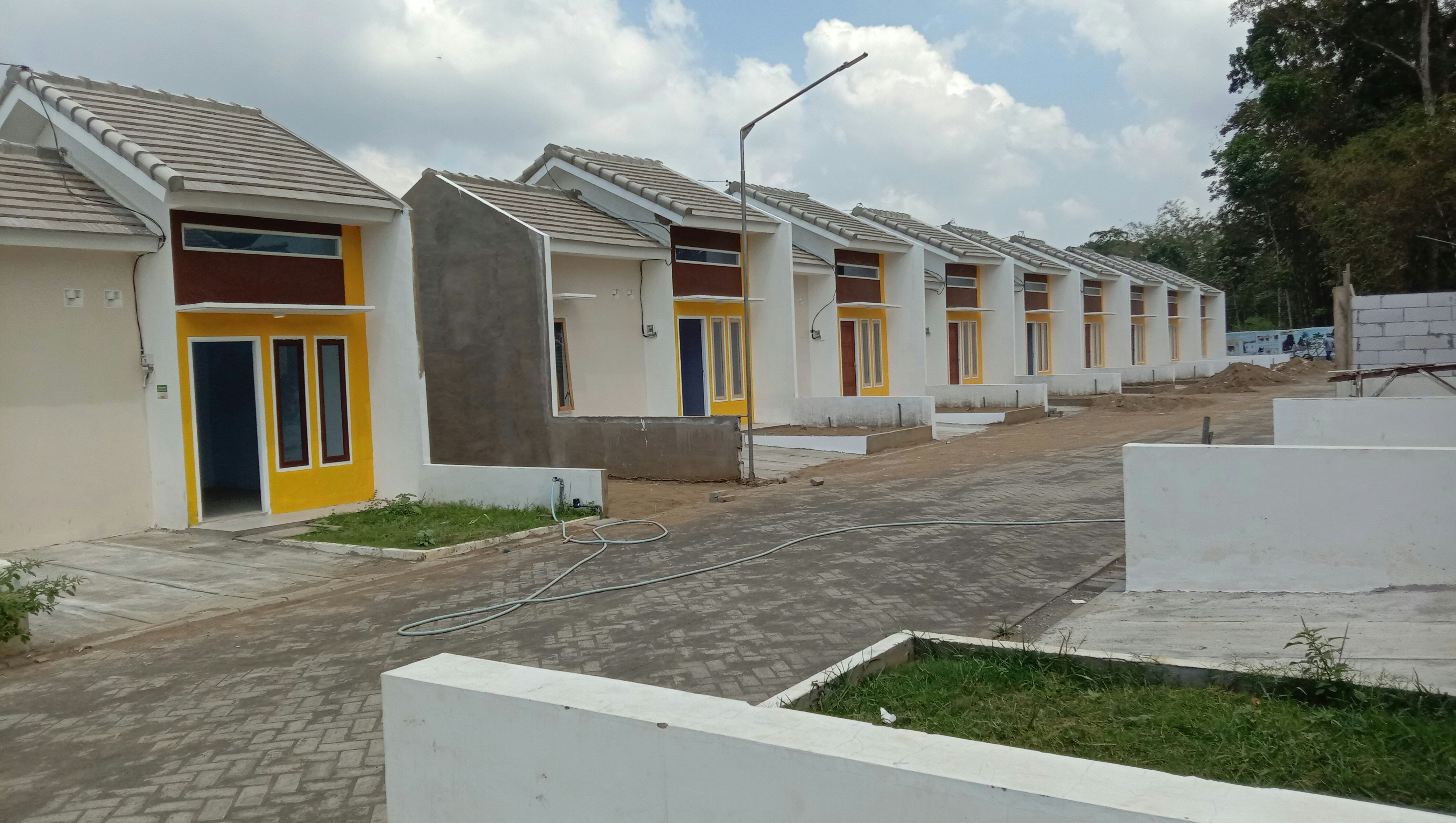
.svg)


For decades, housing models for individuals with intellectual and developmental disabilities (I/DD) followed a familiar pattern: separation. Communities were designed for people with disabilities, not with them. While well-intentioned, these isolated models reinforced exclusion—physically, economically, and socially.
Today, that narrative is changing. Across the country, integrated housing is redefining what inclusion looks like in practice. It’s not just about accessible buildings; it’s about building belonging.
Rethinking “Separate but Supportive”
The old ideology of separating individuals with disabilities from the broader community was born from caution and care—but it often had unintended consequences. Segregated housing reinforced stigma and limited opportunities for meaningful connection, employment, and participation in civic life.
At SOAR Partners, we believe the future of housing lies in integration—where neurodiverse and neurotypical residents live side by side, supported by intentional design, strong community ties, and access to opportunity. When done right, integrated housing is more than an inclusive ideal; it’s a pragmatic solution to some of our most pressing social and economic challenges.
Integration as Innovation
Integrated housing models demonstrate that inclusion and affordability can coexist. The Villages at Rose Hill development in Broken Arrow, Oklahoma—led by the Gatesway Foundation—embodies this shift. The $48.5 million project will create 180 new affordable apartment units, with 20% to 50% reserved for residents with developmental disabilities and the remainder available for essential workers such as teachers, health care staff, and first responders.
By merging affordable housing strategies with inclusive community design, projects like Rose Hill address two critical needs at once: the lack of accessible housing for individuals with I/DD and the broader regional shortage of workforce housing. Broken Arrow alone faces an estimated 13,000-unit housing deficit over the next decade.
As a model, Rose Hill represents the future—where the same developments that protect vulnerable populations from homelessness also strengthen the workforce that sustains a city.
A New Social Contract
Integration benefits everyone involved. When people with and without disabilities share spaces, communities become more empathetic, resilient, and resourceful.
Decades of research show that intergroup contact—living, learning, and working in proximity—reliably fosters understanding and reduces stigma, while strengthening cooperation and social cohesion in communities (Pettigrew & Tropp, 2006, Journal of Personality and Social Psychology; Vezzali & Stathi, 2017, Intergroup Contact Theory: Recent Developments and Future Directions; Aberson, 2015, Group Processes & Intergroup Relations).
This pattern holds true in disability contexts as well—studies show that direct and indirect contact with individuals with disabilities significantly improves attitudes, empathy, and comfort among nondisabled peers (Keith et al., 2022, Scandinavian Journal of Disability Research; Hall, 2022, Journal of Intellectual Disabilities).
In the Rose Hill development, Gatesway calls its residents “Friends”—a reflection of its belief that community living is a shared journey. “We are stronger and better when people with and without disabilities are living side by side,” said CEO Greg Arend. “This approach gives both neurotypical and neurodiverse residents the opportunity to better understand each other as citizens.”
That philosophy aligns with SOAR’s core commitment to Human-Centered Design—a framework that starts with people’s lived experiences and builds solutions around their realities. Integration, in this sense, is not just about shared geography; it’s about shared humanity.
The Economics of Inclusion
Integrated housing also delivers measurable community value. Developments that mix income levels, abilities, and uses contribute to local economies, stabilize neighborhoods, and reduce long-term social costs. Affordable units keep essential workers near their jobs. Accessible design attracts aging residents who benefit from universal design. And shared community amenities—from walking paths to local cafes—build bridges across demographics.
Through partnerships among developers, nonprofits, and public agencies, these projects can leverage federal and state incentives like Low-Income Housing Tax Credits (LIHTC) and state housing credits to make financially sustainable inclusion possible. The Gatesway project demonstrates how creative financing, mission alignment, and operational excellence can drive impact at scale.
From Separation to Shared Success
The future of housing must be one of shared spaces, shared value, and shared purpose. Integrated housing is a sustainable model for community development that addresses both moral and economic imperatives.
At SOAR Partners, we believe that communities thrive when everyone has a place in them. The work at Gatesway is only one example of what’s possible when vision, partnership, and inclusion meet. Across the nation, similar collaborations can help solve both the housing and inclusion crises by designing neighborhoods that reflect what community was always meant to be: people, living together.
Are you interested in starting a visionary housing project? Contact us at info@soar.partners today to learn more about how we can help you develop your vision.
.svg)
Read similar blogs


